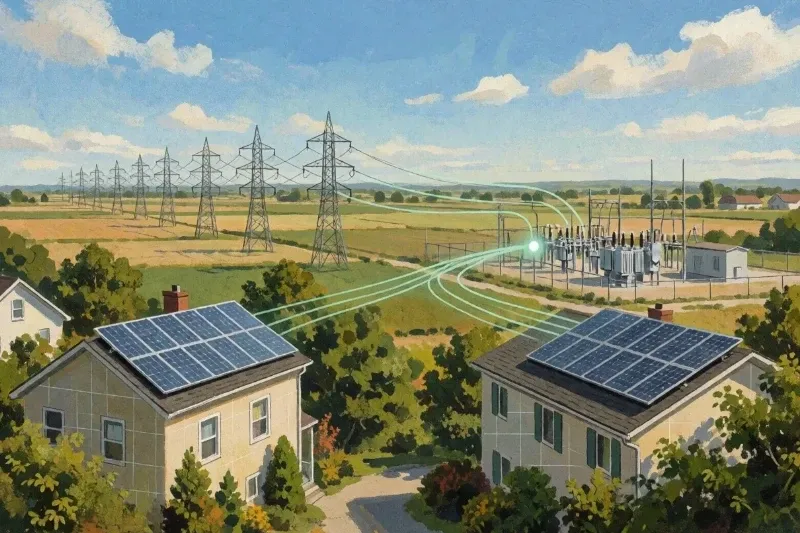
Distributed energy infrastructure has transformed how power is managed, generated, and delivered.
According to the U.S. Department of Energy (DOE), meeting rising clean energy and electrification goals requires a projected 60% increase in U.S. transmission capacity by 2030. DOE reports that “over 70% of transmission and power transformers in the U.S. energy infrastructure are 25+ years old.”
The core pressure point for managing two-way power flows is the global grid distribution networks. And they require roughly 50% more investment to enable local systems to adapt to “surging local demands.”