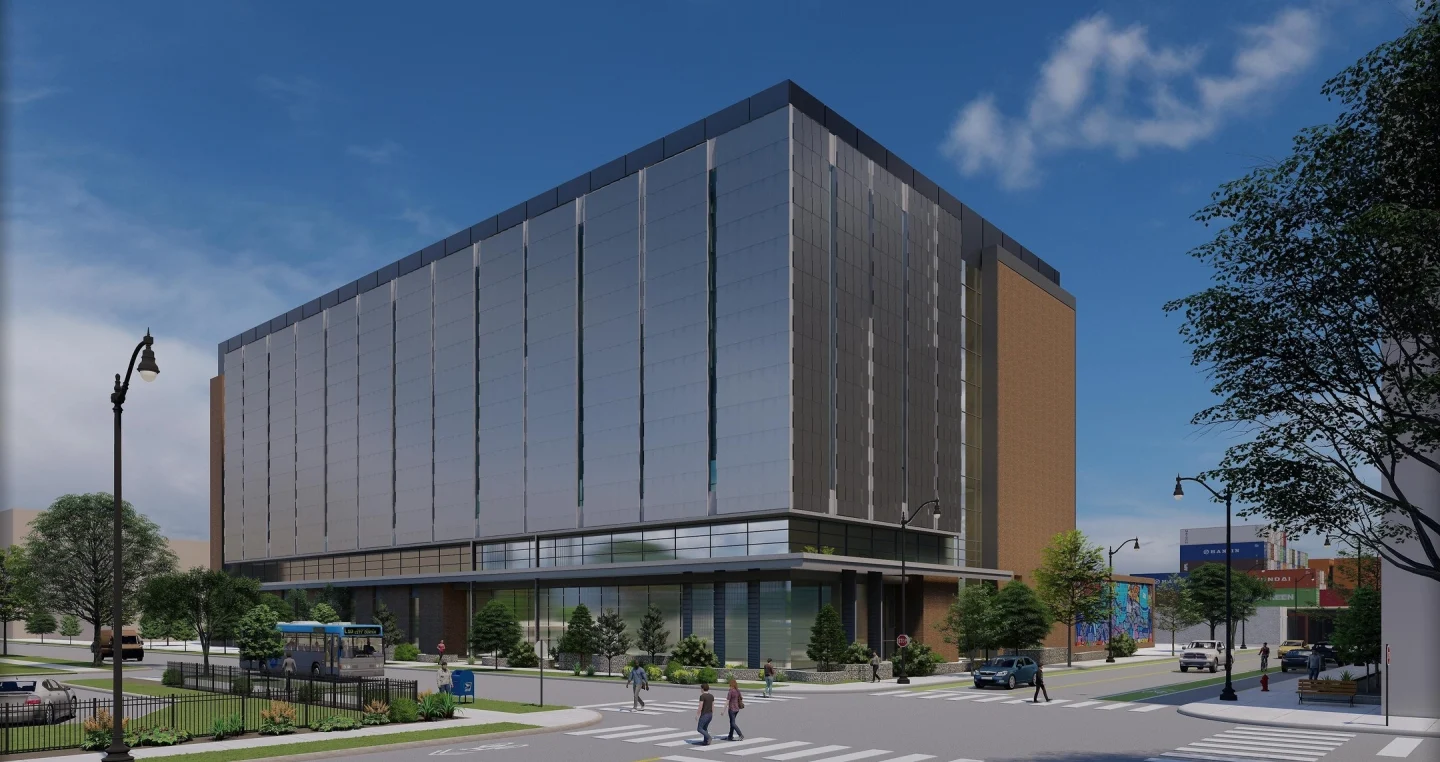
Old Infrastructure, New Purpose
Something significant is happening across the country’s aging urban infrastructure. The old cement buildings that once housed telephone switching equipment, the vacant warehouses, and the underutilized office towers—many of them are finding a second life.
As enterprise clients increasingly want their data closer to their operations, these old buildings—already wired with embedded power or water infrastructure and situated in the heart of major cities—are quietly becoming the answer.
Unlike traditional data centers, which follow a “build it and they will come” model in low-cost, high-resource locations, urban data centers are purpose-built for specific clients, typically financial institutions, airlines, and other large enterprises that need greater speed and control over the data that drives their operations. Right now, they’re concentrated in older, infrastructure-rich metros: New York, Chicago, Boston, and Miami. But as demand grows, that could shift and expand.
The opportunity is real, but so is the complexity. These old buildings may have prime locations, and some of the essentials a data center requires—embedded power infrastructure, existing water systems, and data connectivity—but they rarely have it all. Warehouses may have space and power, but limited water supply and data connectivity. Switching facilities have power in abundance, but may require significant retrofitting to meet water and modern cooling needs of a data center. Office buildings weren’t built for the electrical loads or cooling demands of server infrastructure. Bridging those gaps requires creative infrastructure solutions. And critical infrastructure requires monitoring solutions sophisticated enough to manage them. That’s where most operators underestimate what they’re getting into.
The Monitoring Gaps That Can Make or Break an Urban Data Center
Most businesses moving into this space think they have operational monitoring handled. And it’s true, they usually have some level of monitoring in place. But, more often than not, the monitoring solution can’t handle the complexity of a data center environment, especially when that environment was converted from a legacy building. And the gaps that result are where real problems start.
Every data center faces these monitoring challenges:
-
Disconnected systems. Running separate tools for power, cooling, building management, and tenant systems creates blind spots. And in a data center, blind spots are where outages are born.
-
Power capacity management. It’s not enough to know what you’re consuming. You need to understand how backup systems interact with live demand and catch anomalies before they cascade. Reactive monitoring isn’t a strategy; by the time an alarm fires, you may already be experiencing a service disruption.
-
Environmental controls. Equipment failure often starts with an environmental condition that went unnoticed. Continuous, integrated monitoring is what separates prevention from incident response.
-
Scalability and capacity planning. The data landscape is changing faster than ever. A DCIM monitoring platform that is scalable and will seamlessly integrate with many different systems and equipment will save you in the long run.
-
SLA accountability. Clients expect transparency. Real-time data and reporting, including direct client access to operational metrics, is what builds the confidence that drives renewals.
-
Sustainability and compliance reporting. Tracking and reporting of energy usage and carbon emissions is no longer optional. Regulatory pressure is real and growing.
Urban data centers add a layer of complexity all their own:
-
Legacy equipment and mixed protocols. Converted facilities inherit aging infrastructure with proprietary protocols never designed for modern monitoring tools. Replacing it all isn’t realistic financially or operationally.
-
Mixed-use building complexity. Sharing a building with office tenants, retail, or residential space means water systems, HVAC, and environmental controls interact across uses in ways siloed monitoring can’t see.
-
Infrastructure workarounds. When operators bridge gaps through onsite generation or retrofitted systems, they need monitoring tools sophisticated enough to track how those unconventional solutions perform under real conditions.
Why Radix IoT and the Mango Platform Were Built for This Moment
Radix IoT’s Mango platform was designed for the real world, where environments are complex and constantly changing. Where most other platforms get tripped up by environments where legacy infrastructure, mixed systems, and operational constraints are the mainstay, Mango excels. Here’s why:
One platform. Everything connected. Managing urban data center infrastructure means overseeing power, cooling, environmental systems, and building controls often across equipment from different manufacturers, different eras, and different protocols. Mango unifies all of it under a single dashboard, giving operators one complete view instead of toggling between disconnected systems. When everything is visible in one place, the things that fall through the cracks between systems—the anomalies, the early warning signs, and the slow-building problems—don’t get missed.
Built for mixed-use complexity. Urban conversions come with constraints baked in. Mango handles them, monitoring existing and new infrastructure simultaneously, giving operators a single view of systems that were never designed to talk to each other.
No rip and replace. Mango layers on top of the infrastructure you already have rather than requiring wholesale replacement. Legacy equipment, proprietary protocols, aging systems… Mango works with them, not against them. That means you keep operations running normally during implementation, avoid costly infrastructure overhauls, and start seeing value faster.
Scalability without starting over. As your data center evolves with new tenants, expanded capacity, or added sites, Mango expands with it. Whether you’re operating one converted facility or building a portfolio across multiple cities, Mango provides centralized visibility across all of them. No more 12 dashboards for 12 locations.
SLA reporting that builds trust. Mango can offer clients direct visibility into their environment through automated reporting or system access, so they can see for themselves that commitments are being kept.
Implementation that doesn’t disrupt operations. Radix IoT’s professional services team brings deep expertise across data centers and telecommunications environments. They invest heavily in discovery and design upfront, understanding your existing infrastructure before writing a line of code. It’s why their client churn rate is under 1%. When they say yes to an implementation, it’s because they know they can deliver.
Ready to See What Unified Monitoring Looks Like?
If you’re converting existing infrastructure into data center capacity or already operating and wondering whether your monitoring is truly up to the task, a conversation with Radix IoT is definitely worth your time.
Request a demo to see Mango in action or visit radixiot.com to learn more about how operators are turning complex, legacy-heavy environments into competitive advantages.