This article by Radix IoT Chief Product Officer Michael Skurla was originally published in T&D World.
As distributed energy becomes a global priority, microgrids have emerged as one of the most promising solutions for delivering reliable, affordable, and sustainable power — especially in regions where extending traditional grid infrastructure is cost-prohibitive or technically out of reach. But the promise of the microgrid hinges on one often-overlooked factor: how well it’s monitored.
In this article, Michael Skurla, Chief Product Officer of Radix IoT, breaks down why intelligent, real-time monitoring is the linchpin of modern microgrid performance — and what operators need to get it right.
The Rise of the Microgrid
Severe weather, grid congestion, and aging centralized infrastructure are pushing both developed and developing markets toward decentralized power. Microgrids — localized networks that can operate independently from the main grid — address these pressures directly. They’re powering remote communities, providing critical backup in urban environments, and increasingly being deployed as cost-effective alternatives to long-haul distribution networks.
The numbers reflect the momentum: the global microgrid market is projected to grow from $43.5 billion in 2025 to $95.2 billion by 2030, a 17% compound annual growth rate. In the U.S. alone, 692 microgrids with nearly 4.4 gigawatts of capacity were installed across seven states by 2023.
Why Storage — and Monitoring — Are the Real Story
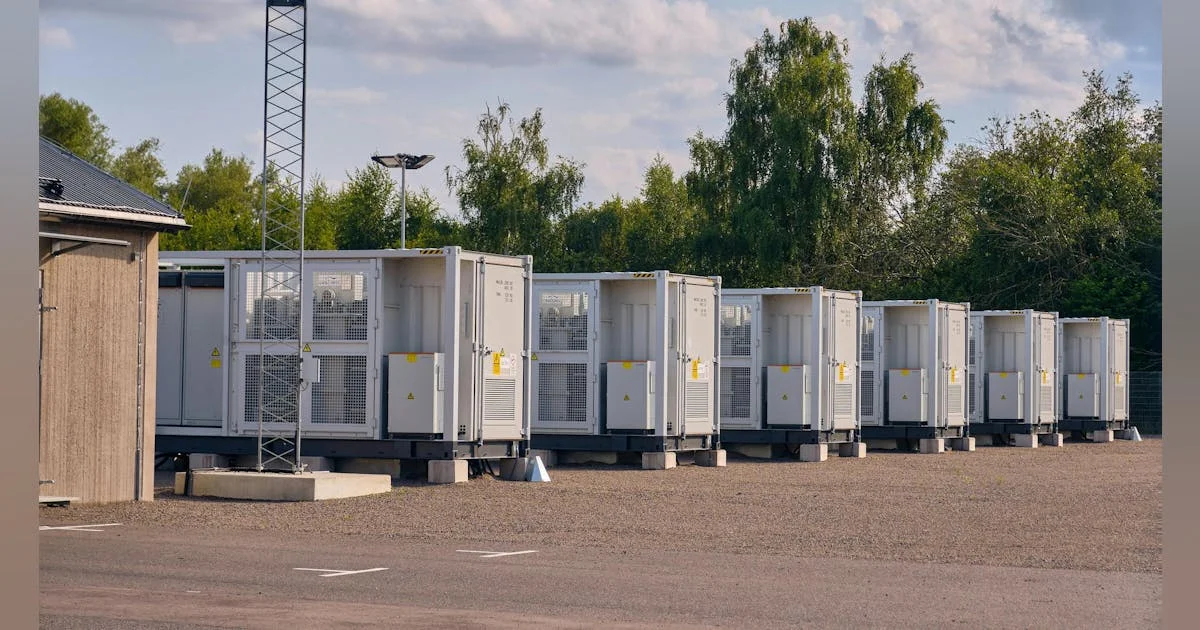
Most microgrids are built around renewable generation (solar, wind, or combined heat and power), but their reliability ultimately depends on battery energy storage systems (BESS). These systems store excess energy during high-production periods and release it when demand spikes or generation drops — smoothing out the fluctuations that would otherwise make autonomous operation impossible.
But BESS introduces complexity. Running batteries remotely, without on-site personnel, requires monitoring solutions purpose-built for the task. Beyond tracking charge levels and voltage, operators need systems that can predict failures before they happen, validate warranties and insurance compliance, and support regulatory requirements — all from a distance.
What Effective Microgrid Monitoring Actually Requires
Skurla outlines four capabilities that separate adequate monitoring from genuinely effective monitoring:
- Cloud-based platforms that support remote management of microgrids in rural or hard-to-reach locations at scale.
- IoT and edge computing that enable local decision-making when cloud connectivity is unavailable.
- Open, adaptable connectivity that avoids vendor lock-in and allows the technology stack to evolve as the industry does.
- Integration with business systems — billing, work order management, AI toolsets — so monitoring data flows into the operational decisions that drive efficiency.
The Bottom Line
The microgrid’s intelligence — its ability to sense, respond, and optimize in real time — is what transforms it from a standalone power source into a coordinated, resilient network. Unified monitoring across all energy assets, from generation and storage to environmental controls, is what makes that intelligence actionable.